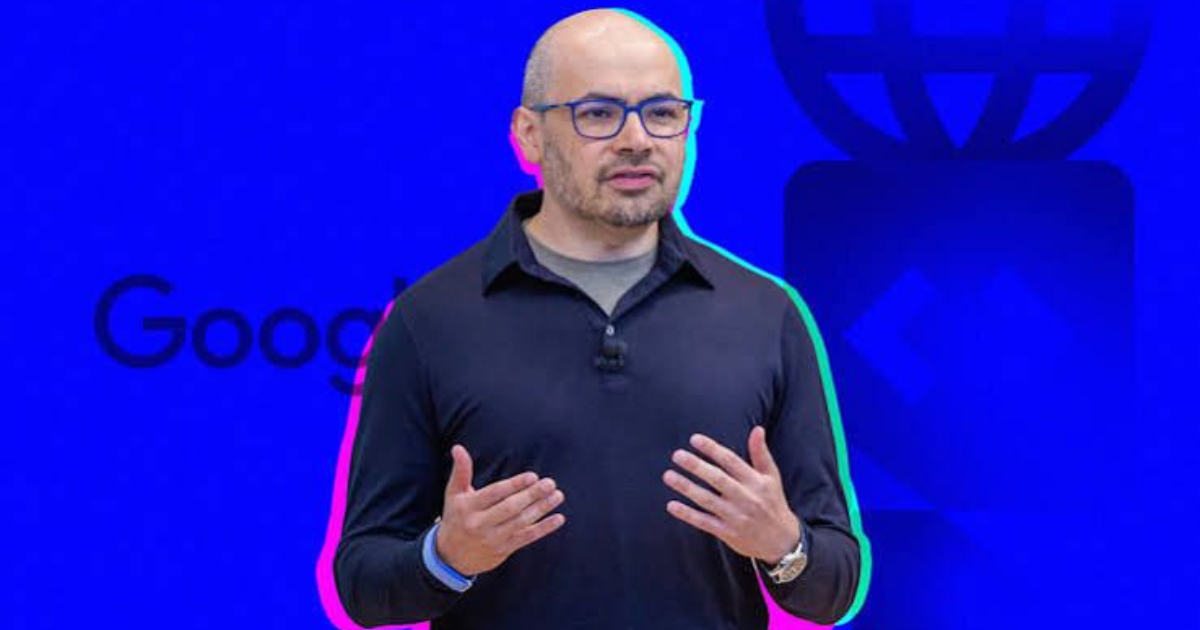
Google DeepMind chief Koray Kavukcuoglu credits advances in recursive self-improvement with the lab’s recent capability gains and faster Gemini releases, according to a Financial Times interview. He also says Google will never completely relinquish human oversight. Source
Google has released four Gemini models in recent months: Argon, Carbon, Hydrogen and Neon, tuned variously for speed or deeper research. The FT reports that those releases are challenging Anthropic at the top of industry benchmarks. Source
Recursive self-improvement describes AI systems helping upgrade themselves. The interview doesn’t detail DeepMind’s implementation or quantify the technique’s contribution. It leaves the extent of autonomy and the effectiveness of Google’s safeguards unclear. Source
AGI ambitions and in-house advantages
Kavukcuoglu called being at the AI frontier “priority zero” and said building artificial general intelligence remains DeepMind’s “north star.” The FT describes AGI as a theoretical point at which AI matches or surpasses humans at most tasks, though he acknowledged there is “no concrete definition of what that is or what it should be.” An ambitious destination, with the address still under discussion. Source
Kavukcuoglu also pointed to investment decisions made six or seven months earlier and Alphabet’s in-house combination of AI chips, data centers, models, software and products. Source
Neon’s records come without the numbers
Kavukcuoglu singled out Neon, a mid-tier model he said hits a “sweet spot” between price and performance. He said it had set daily customer-usage records in Google’s Antigravity coding product and Gemini consumer app following its release. But he declined to share user numbers or market-share statistics. Source
The comeback pitch has arrived; the spreadsheet hasn’t. Without the figures, those records don’t show how many users Google has won back—or whether it has gained market share. Source