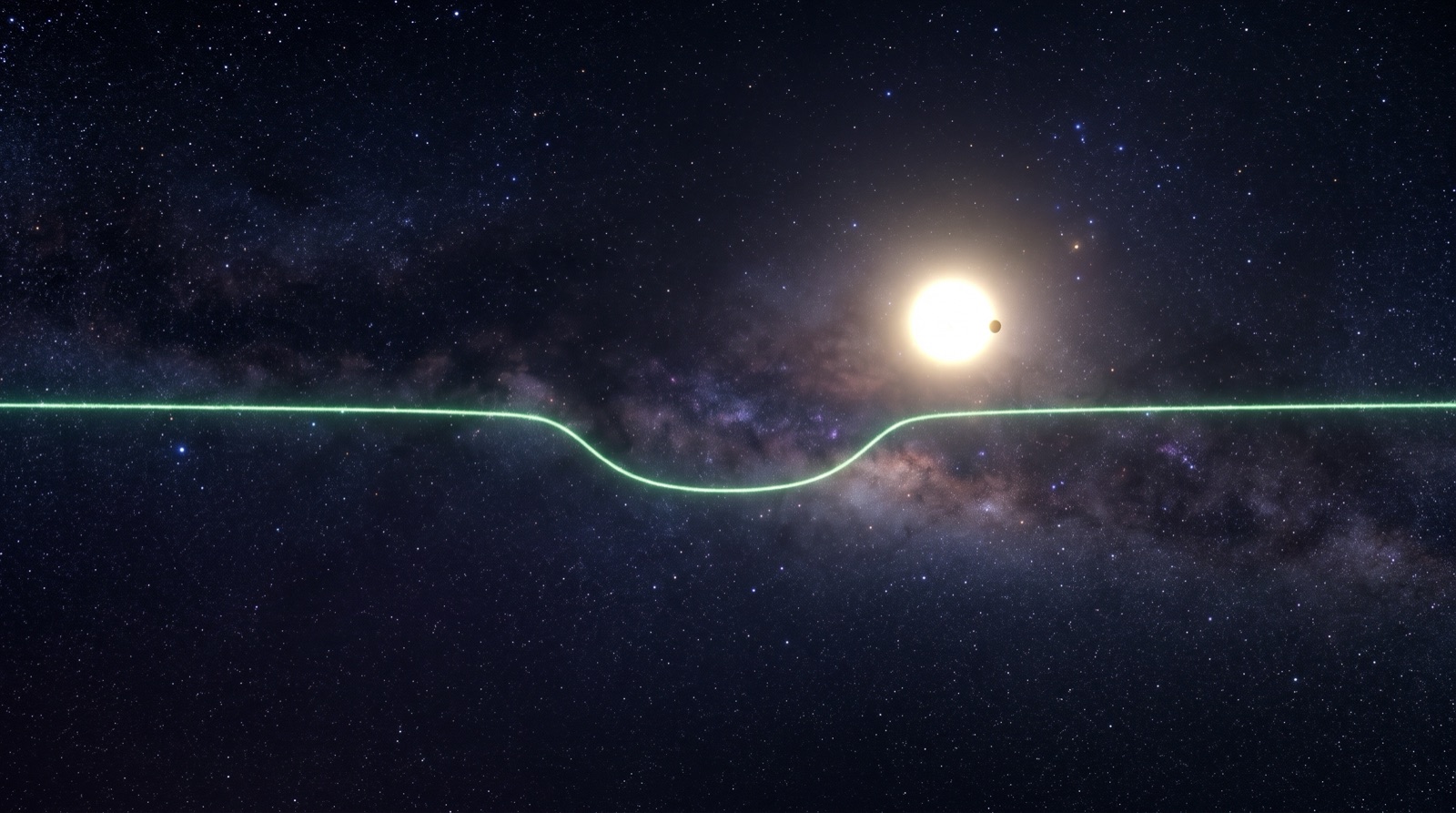
Kevin Bond, an OpenAI engineer and amateur astronomer, searched light curves for about 100,000 stars observed by NASA’s Kepler telescope [1]. OpenAI says he had Codex compare published transit-search methods, combine them into one search program and test whether code changes improved its results [1]. One AI agent scanned the light curves for promising dips, and a second ran closer checks on the candidates it flagged [1].
The program flagged more than 200 signals, 10 of them from planets that had already been confirmed [1]. Two stood out [1]:
StarDip everyPossible planetKIC 568912113.8 days~2.4x Earth widthKIC 66910304.8 daysSmaller than Neptune
KIC 5689121 is a relatively cool star about half the size of the Sun in the constellation Lyra, and KIC 6691030 is a faint star in the northern sky, OpenAI says [1]. An astronomer at the SETI Institute independently found both signals [1]. Vishal Gajjar, associate director for international SETI programs at the institute, said in OpenAI’s post: “Our initial checks are encouraging, and follow-up observations will tell us more.” [1] He added that Bond’s “pipeline has surfaced promising candidates in data traditional searches may have missed.” [1]