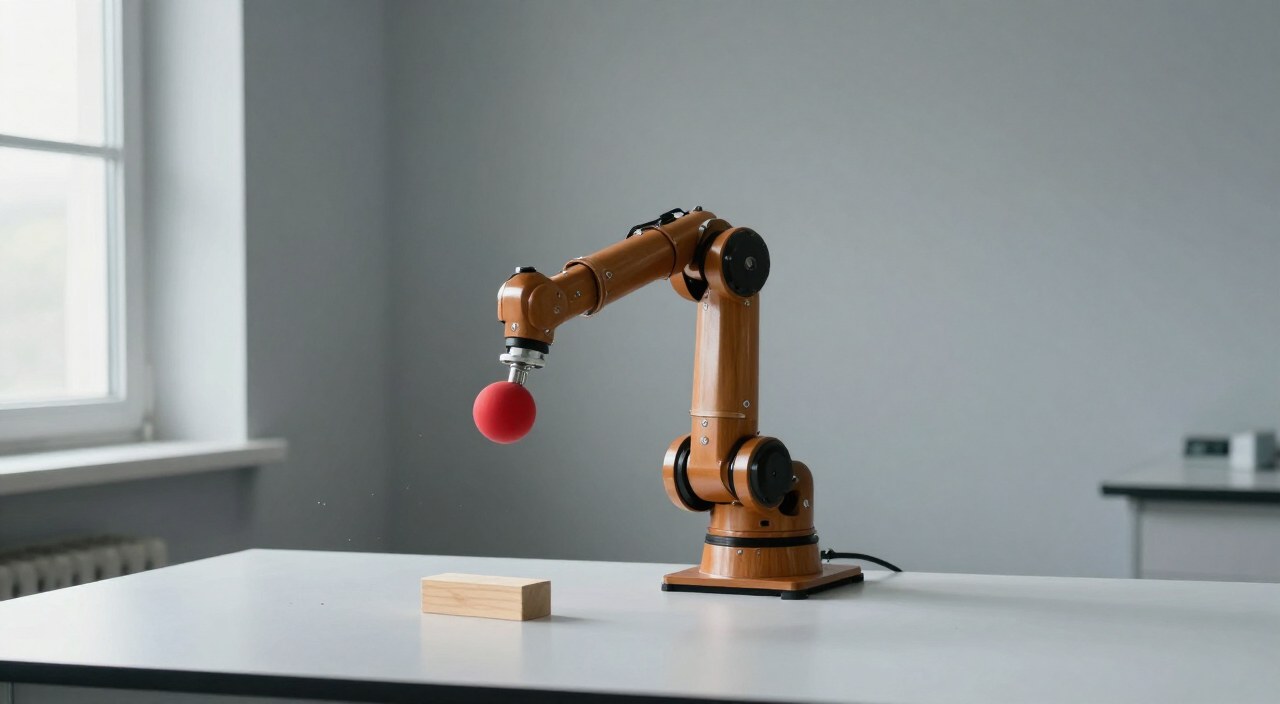
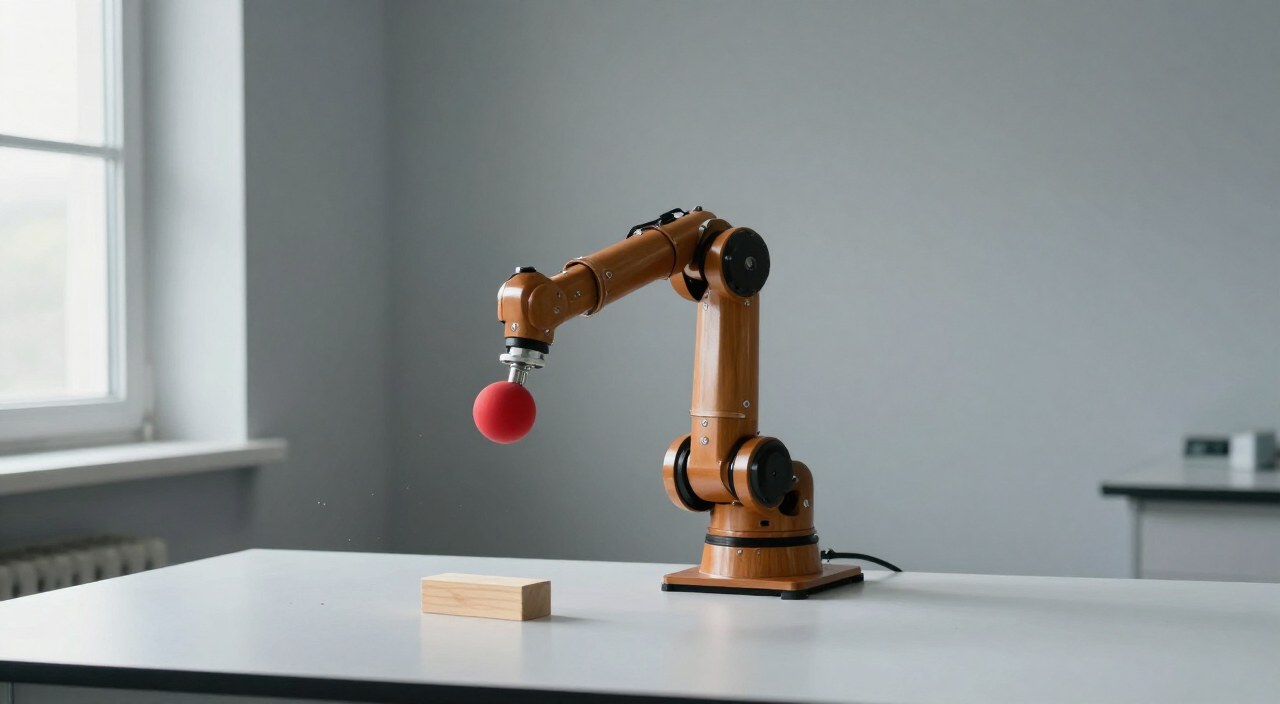
 Yann LeCun argues that language models trained only on text cannot reach human-level intelligence, pointing to a DeepMind paper calling for embodied simulation. AI Illustration. Upload story photo >
Live Poll
Do you trust AI systems to match human intelligence someday?
▲ Yes▼ No
Yann LeCun has stated that training AI only on text will never produce human-level AI. A DeepMind paper by Zahavy adds that AI systems need embodied simulations in virtual environments to build physical intuition.
Why it matters
The claim challenges the dominant approach of scaling text-trained large language models as a route to general intelligence. It points toward research into embodied and multimodal learning as a possible alternative path.
LeCun’s comparison sets roughly 100TB of text used to train a large language model against about 100TB of visual input a four-year-old child receives. The source does not address whether data volume alone accounts for the gap in physical reasoning.
The players
Yann LeCun
A prominent AI researcher and longtime advocate of learning world models from sensory data rather than text alone.
Zahavy
A researcher at Google DeepMind whose paper argues that AI systems need embodied simulations in virtual environments to build physical intuition.
The details
LeCun calculates that a typical large language model trains on about 20 trillion tokens, with each token roughly one word stored in three bytes. He contrasts this with a young child who is awake about 16,000 hours in four years, with the optic nerve sending about 2 megabytes per second to the brain, and argues that text captures only a narrow, abstract slice of human knowledge.
Timeline
The first four years of a child’s life accumulate about 16,000 waking hours of visual input.
The Tech Race
The debate pits text-scaling strategies used by large language model developers against embodied simulation research pursued by Google DeepMind. Positions like LeCun’s suggest the next competitive phase may favor labs that invest in sensory and physical-world training data.
For users of text-based chatbots and writing assistants, the argument suggests current tools may stay limited in physical reasoning tasks such as spatial planning. The source does not give a timeline for when embodied systems could reach consumer products.
The takeaway
Scaling text data alone may not close the gap to human-level reasoning, so readers should watch whether future AI systems incorporate sensory and physical-world training. Claims about the limits of current models are contested among researchers and remain unproven.
Further reading
Explore more on Artificial Intelligence and how researchers are approaching machine learning limits.
Source note: This article includes information reported by Wccftech.
Live Poll
Do you trust AI systems to match human intelligence someday?
▲ Yes▼ No